Keranjang
Login / Register

Air Receiver Tank

Easily Shop Air Receiver Tank at Indonesia B2B Marketplace. Sourcing Indonesian Products Easier. Click Request For Quotation and Receive Quotation Instantly

Active suppliers in this category

What is Air Receiver Tank

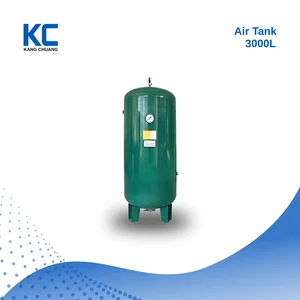
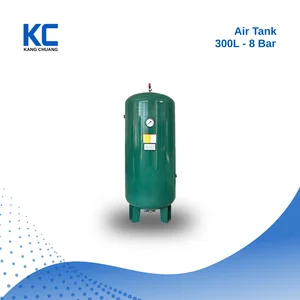
An Air Receiver Tank is a pressurized vessel that stores compressed air to act as a “buffer” for your air system. By adding storage capacity, it stabilizes pressure, smooths airflow to pneumatic tools, and reduces frequent compressor start-stop cycles—helping the whole system run more efficiently.

Across industrial plants, workshops, painting lines, and HVAC-related applications, Air Receiver Tanks are used to improve operational stability and support peak air demand when multiple tools run at once. A properly selected tank also helps manage moisture condensation and can extend the service life of downstream equipment—because inconsistent air supply is a productivity tax nobody asked for.

All types of Air Receiver Tank
🫧

🏆 10 Recommended Air Receiver Tank Types for 2026 ✅

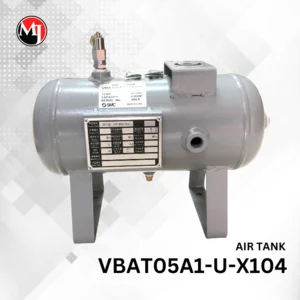
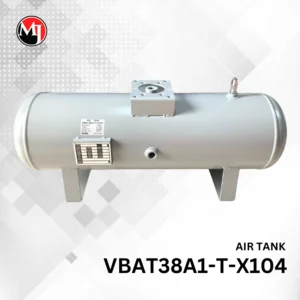
  1. Horizontal Air Receiver Tank – Stable floor installation and easy layout
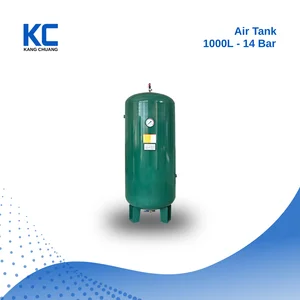
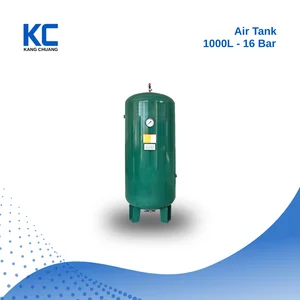
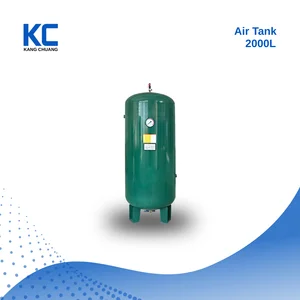
  2. Vertical Air Receiver Tank – Space-saving footprint for tight areas
  3. High-Pressure Air Receiver Tank – Built for higher pressure applications
  4. Low-Pressure Air Receiver Tank – Efficient for standard pressure needs
  5. Air Receiver Tank with Safety Valve – Better protection against overpressure
  6. Air Receiver Tank with Automatic Drain – Reduces condensate with less manual work
  7. Air Receiver Tank with Manhole – Easier internal inspection and cleaning
  8. Corrosion-Resistant Coated Air Receiver Tank – Longer life in humid environments
  9. Modular/Parallel Air Receiver Tank Setup – Expand capacity as demand grows
  10. Buffer/Stabilizer Air Receiver Tank – Keeps pressure steady under fluctuating loads
🧠

📝 Tips for Choosing an Air Receiver Tank ✅

  • Choose tank capacity (liters) based on air demand and usage pattern (continuous or intermittent).
  • Match the working pressure rating (bar/psi) to your system with a safe margin.
  • Select vertical or horizontal orientation based on available installation space.
  • Prioritize safety components: safety valve, pressure gauge, and properly sized ports.
  • Consider condensate draining (manual or automatic) to maintain air quality and reduce corrosion.
  • Check material and corrosion protection if the tank will operate in humid or harsh conditions.
🔍

⚙️ Key Factors to Consider When Buying an Air Receiver Tank ❗

  • Effective capacity: enough to damp pressure fluctuations and support peak demand.
  • Working & test pressure: clearly rated and suitable for safe daily operation.
  • Material thickness & build quality: impacts pressure endurance and corrosion resistance.
  • Component completeness: safety valve, gauge, drain, and correct inlet/outlet connections.
  • Condensate management: easy draining and design that minimizes water accumulation.
  • Maintenance cost: accessibility for inspection, serviceability, and common spare parts.
🧰

🛠️ Care & Safe Use for an Air Receiver Tank 🔧✅

  • Drain condensate routinely (daily/weekly) to reduce internal corrosion.
  • Inspect the safety valve and pressure gauge regularly to ensure protection works properly.
  • Check for leaks at pipe joints, fittings, and valves to prevent pressure loss.
  • Install on a stable surface and ensure adequate ventilation around the tank.
  • Perform visual checks for rust, dents, or cracks; stop operation if any hazard signs appear.
  • Schedule internal/thickness inspections (when applicable) to maintain long-term safety.
Jenis Produk Spesifikasi Utama Keunggulan Cocok Untuk
Horizontal Horizontal layout, stable on the floor Easy installation, low center of gravity Workshops and larger equipment rooms
Vertical Upright layout, small footprint Saves space in tight installations Small workshops and limited spaces
High-Pressure Higher pressure rating, thicker construction Safer for higher-pressure applications Heavy industry and high-pressure systems
Automatic Drain Automatic condensate discharge system Less moisture, reduced manual maintenance High-utilization operations and air-quality focused setups
Buffer/Stabilizer Designed to stabilize pressure during load changes Smoother pressure, fewer compressor start cycles Multi-tool usage and fluctuating demand
1 🫧 What is an Air Receiver Tank used for? ^
It stores compressed air to stabilize pressure, reduce compressor cycling, and support peak air demand.
2 📏 How do I choose the right tank size? ^
Base it on airflow demand, number of tools, usage pattern, and how much pressure stability you need during load changes.
3 💧 Why is draining condensate important? ^
Moisture can accelerate internal corrosion and reduce air quality, so regular draining helps keep the tank safe and durable.
4 🛡️ Is a safety valve mandatory? ^
Yes. A safety valve releases excess pressure to prevent dangerous overpressure situations.
5 🏭 Vertical vs horizontal—what should I pick? ^
Vertical saves space in tight areas, while horizontal offers stable placement and easier layout in larger rooms—choose based on your site constraints.

Air Receiver Tank Price List 2026

Air Receiver Tank type Price
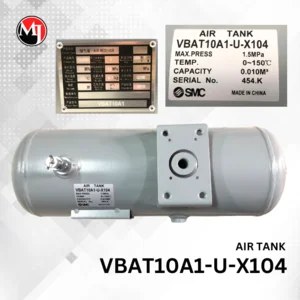
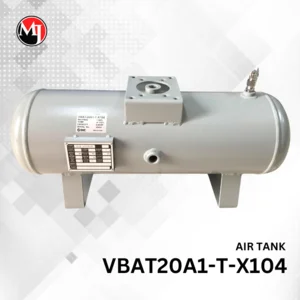
TANGKI KOMPRESOR TANGKI PRESSURE 500L 1000L 1500L 2000L DST CUSTOM 10BAR 20BAR 30BAR DST PRESSURE TANK COMPRESSOR Rp 100.000
Tangki angin MMI 300 Liter Air Tank 300L 30 bar Tabung kompresor Udara Air Receiver Tank Rp 30.000.000
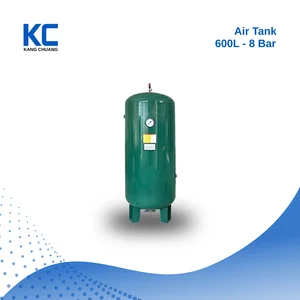
Tangki angin MMI 600 Liter Air Tank 600L 16 bar Tangki kompresor Udara Air Receiver Tank Rp 14.000.000
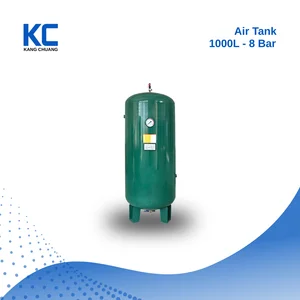
Air Receiver Tank 1000 Liter Working Pressure 8 Bar Leopard Tangki Tekanan Tinggi Rp 19.000.000